


Tripods & Tri-piers: The Foundation of Your Telescope or Camera Setup
A sturdy tripod or tri-pier is essential for steady, clear views with your telescope. Whether you’re stargazing, diving into astrophotography, or capturing stunning landscapes, a reliable tripod makes all the difference. For astrophotography especially, having a rock-solid tripod to support your mount, telescope, and imaging train is essential to capturing sharp long exposures.
Most telescopes, especially those used for astrophotography, will also need a telescope mount to accompany the tripod. While most telescope mounts come with an option for an included tripod, not all do.
If you need a tripod for your mount head or you’re looking to replace an older tripod, you’ve come to the right place. Here at Agena Astro, we carry a wide variety of telescope tripods to fit the needs of any telescope rig or budget!
How Tripods & Tri-Piers Work
A tripod gives you a stable, three-legged stand with adjustable legs for flexibility. If you’re using a digital camera or binoculars, your tripod likely includes a ball head for quick adjustments to height and angle. However, telescope tripods work differently, attaching directly to an equatorial or alt-azimuth mount instead of using a ball head.
Most telescope tripods secure mounts with a ¼-inch screw and often include a utility tray to hold eyepieces or accessories. If you’re looking for more stability, consider a tri-pier. A tri-pier combines the stability of a pier with the portability of a tripod. Unlike traditional telescoping tripod legs, tri-piers feature rigid, fixed-length legs for better stability.
For smooth tracking, you’ll need to balance your telescope and its accessories with counterweights. Attach the counterweights to the bar at the base of your mount to maintain proper balance.
Types of Telescope Tripods, Tri-Piers & Counterweights
You’ll find tripods made from materials like aluminum, carbon fiber, or wood. Wooden tripods are especially effective at reducing vibrations, making them a great choice for astronomy. You’ll also find different head designs, such as alt-azimuth for simple up-and-down motion or pan-and-tilt.
Whether you go with a tripod or a tri-pier, make sure it can support the combined weight of your telescope, camera, and accessories.
Telescope Tripods
Best for telescopes and equatorial tracking mounts | $-$$$
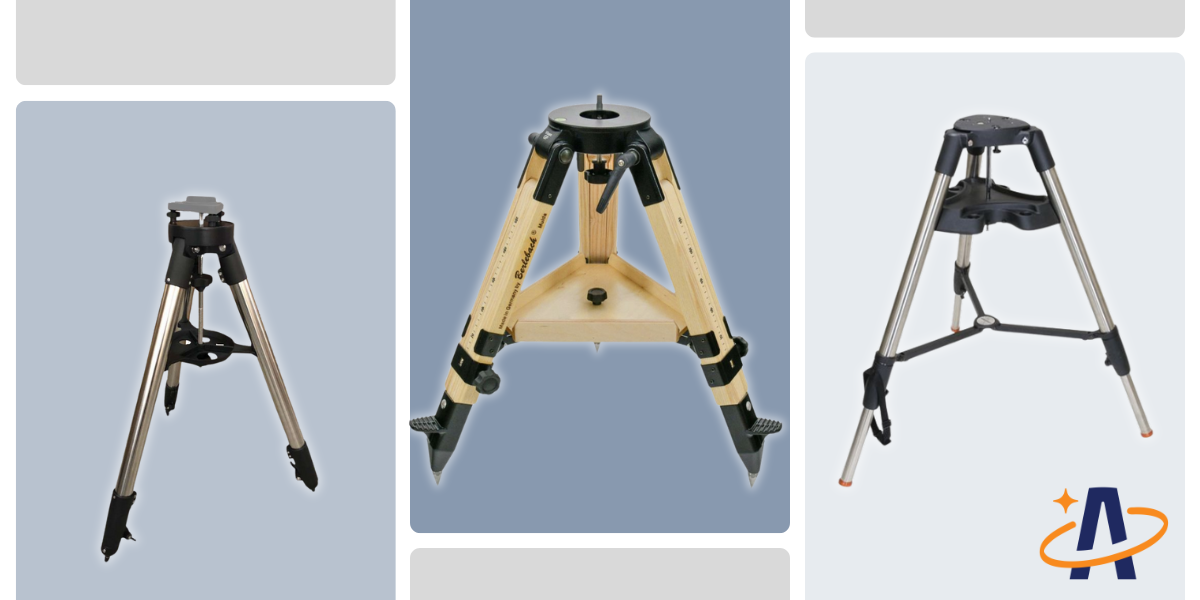
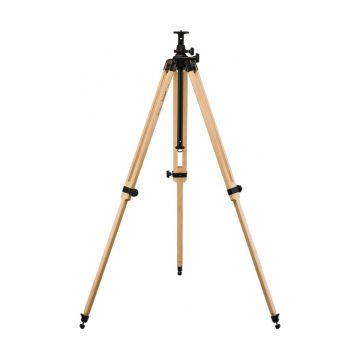
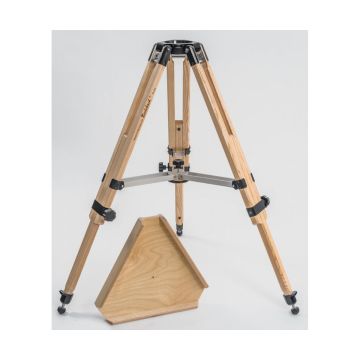
Telescope tripods provide the stability you need for smooth observing and imaging. Made from durable materials like aluminum, stainless steel, carbon fiber, or wood, they offer a balance of strength, portability, and vibration-damping. Most models feature adjustable legs with leg locks for secure positioning, center braces for added rigidity, and accessory trays for convenience.
Lightweight tripods work well for field use, offering easy portability, while heavy-duty options support larger mounts and telescopes with impressive stability and weight capacities exceeding 100 pounds.
Pros: Stable, adjustable, good weight capacity. Most are portable but bulkier than a standard tripod.
Cons: Lightweight models are susceptible to vibrations.
Alt-Azimuth (Alt-Az) Tripods
Best for small to medium-sized telescopes | $ - $$
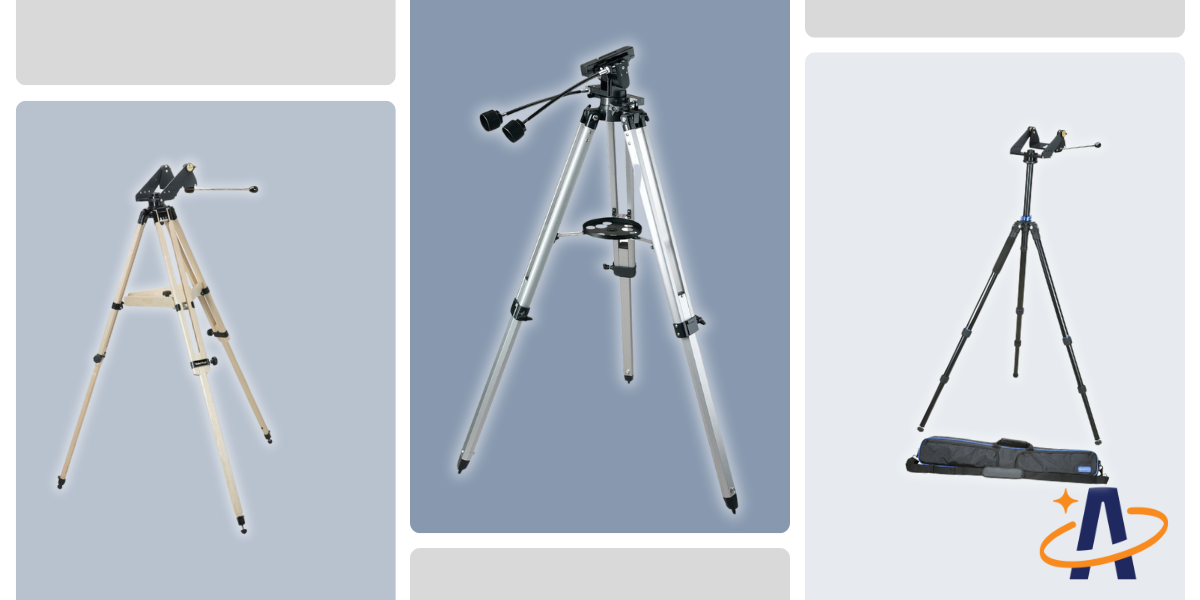
Alt-azimuth tripods are versatile supports, perfect for binoculars, spotting scopes, and small to medium-sized telescopes. They are lightweight, portable, and easy to use, making them an excellent choice for beginners and casual observers. With adjustable aluminum legs, you can set the tripod to various heights, and many models include a stabilizing center brace and an accessory tray for added convenience.
The alt-azimuth head lets you move smoothly in altitude (up-down) and azimuth (left-right), with 360º rotation for expansive views. Slow-motion control handles make it easy to fine-tune your movements, allowing you to track objects as they move across the night sky.
Many alt-azimuth tripods also include a sliding 1/4-20 mounting bolt, so you can precisely balance your equipment. Whether you’re using a refractor telescope, binoculars, or a camera with a long lens, this tripod adapts to your needs with ease.
Pros: Easy to use with straightforward controls. Affordable and portable. Adjustable.
Cons: Does not offer tracking. Not suitable for deep sky astrophotography. Limited weight capacity.
Counterweights & Shafts
Best for tracking mounts for long exposure astrophotography | $-$$
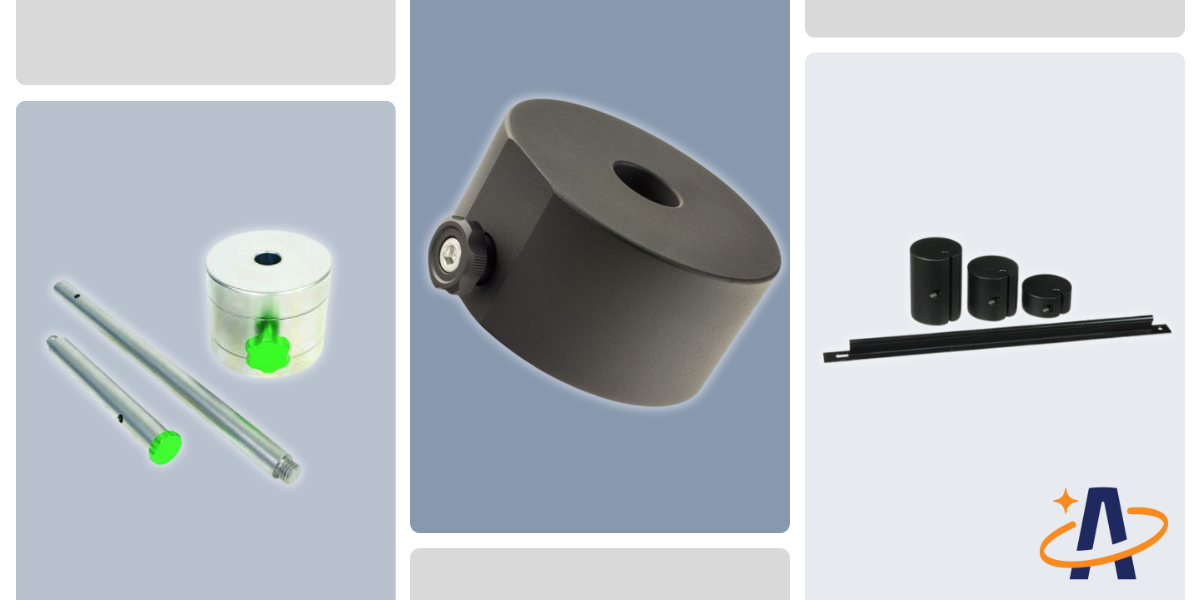
Counterweights are essential for balancing your telescope on a tracking mount, especially during long-exposure astrophotography. They counteract the weight of your telescope and accessories, ensuring smooth mount operation, reducing strain, and preventing uneven motion while tracking celestial objects. Properly balanced setups improve tracking accuracy and minimize vibrations, resulting in sharper images.
You attach counterweights to an adjustable bar on the mount, allowing you to fine-tune the balance for your specific equipment. They come in various sizes and weights to accommodate different telescopes and configurations. While setting them up takes some adjustment, a properly balanced system enhances your mount’s performance and makes observing and imaging sessions more enjoyable.
Pros: Keeps telescopes balanced and reduces strain on tracking mounts.
Cons: Requires adjustments for optimal balance.
Tri-Piers
Best for larger telescopes and heavier tracking mounts | $$-$$$
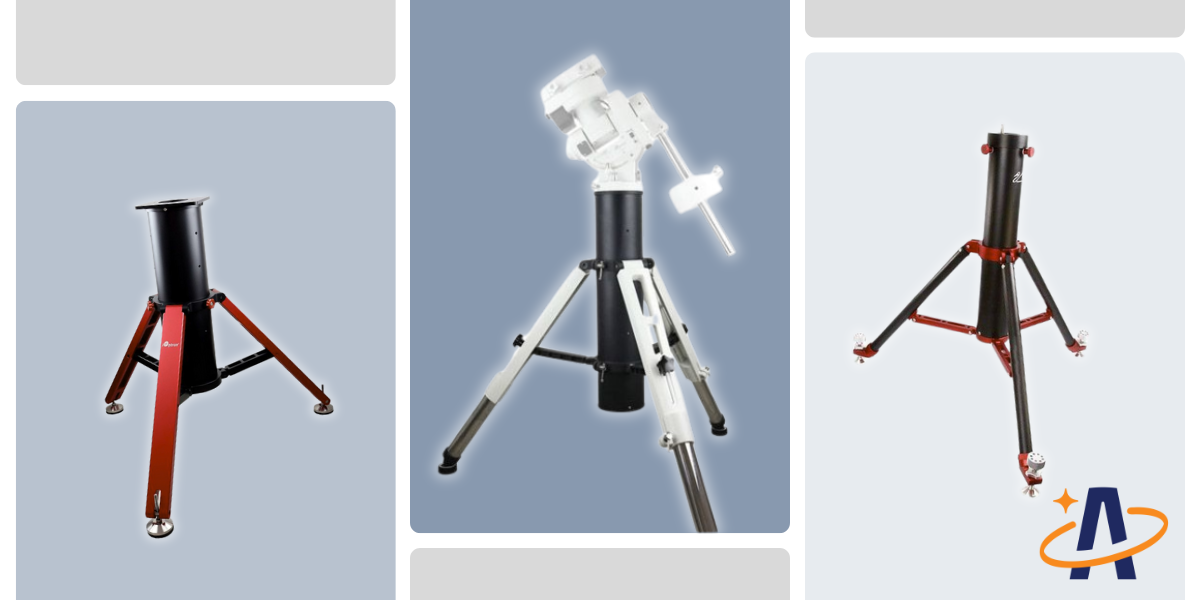
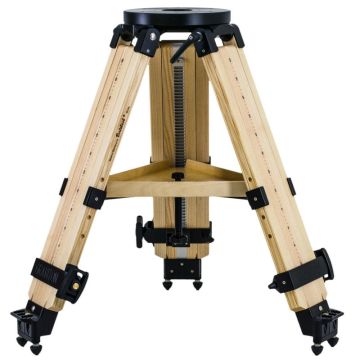
Tri-piers combine the stability of a pier with the portability of a tripod, making them an excellent choice for advanced users and experienced astrophotographers. Built to handle heavy loads, some tri-piers can support up to 360 pounds, accommodating larger telescopes and heavier mounts with ease. Their rigid construction, often made from aluminum or stainless steel, minimizes vibrations to deliver sharper imaging and smoother tracking.
Another benefit of a tri-pier is that the pier height helps eliminate the possibility of your telescope hitting the tripod legs, which is especially useful for long refractor or reflector telescopes. Although they are typically more expensive than standard tripods, their superior stability and load capacity make them a worthwhile investment. A tri-pier offers a reliable and portable foundation for your equipment, ensuring you get the most out of your observing or imaging sessions.
Pros: High stability and generally portable. Great for astrophotography and outdoor use. Heavy duty with great weight capacity.
Cons: Typically higher in cost than standard telescope tripods.
Pan & Tilt Tripods
Best for digital cameras, spotting scopes, and binoculars | $-$$
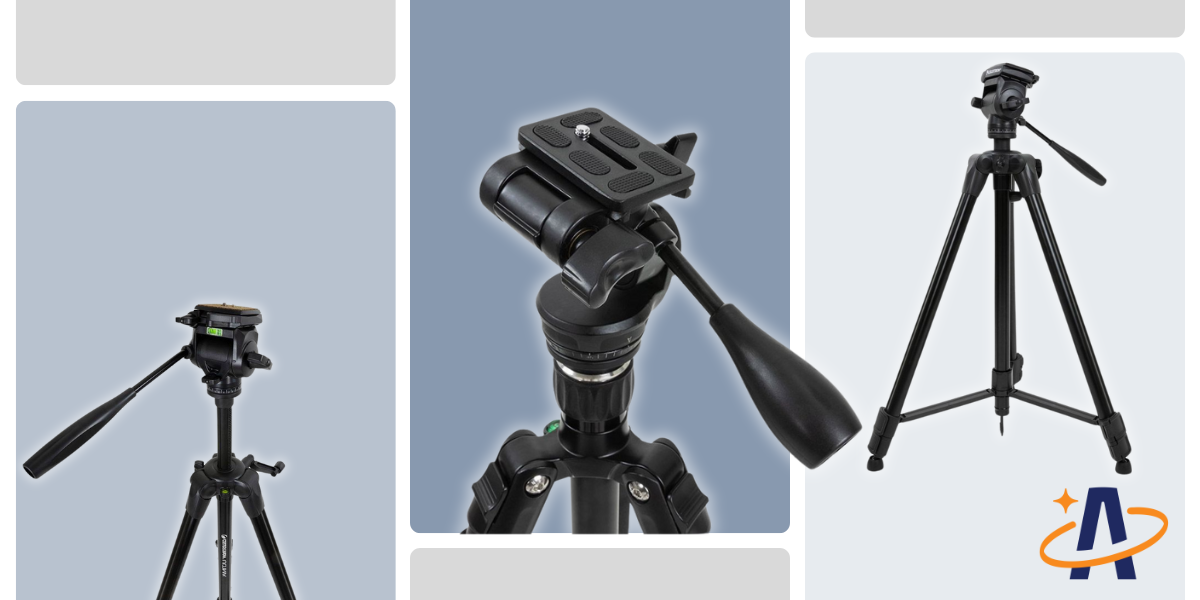
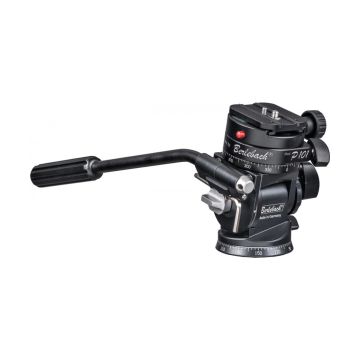
Pan-and-tilt tripods give you smooth side-to-side and up-and-down movement, making them versatile for daytime photography, wildlife observation, and nightscape photography. They’re designed with a head that allows precise adjustments along two axes, giving you control over framing and alignment. If you plan to use a pan-and-tilt tripod, it works best for compact setups like cameras or binoculars. For telescopes, a telescope tripod or tri-pier is a studier option.
Pros: Highly portable and lightweight, making them easy to carry for outdoor adventures. Easy to adjust, affordable, and widely available.
Cons: Limited stability for heavier equipment. Not suitable for telescopes and long-exposure deep sky astrophotography as vibrations or slight movements can blur your images.
Can’t find what you’re looking for?
Our team is always on standby to help you choose the perfect tripod or tri-pier to meet your needs. If you have any questions, or can't find what you’re looking for, contact us.
Frequently Asked Questions
What is the function of a tripod with a telescope?
A tripod stabilizes your telescope, minimizing vibrations for steady viewing. For astrophotography, a stable tripod is critical to prevent blurring during long exposures.
What is the best tripod for a telescope?
The best tripod for your telescope should provide stability, vibration dampening, and adjustability. Look for sturdy legs, a secure mounting plate, and durable materials like aluminum or carbon fiber. Popular options include models from iOptron, Celestron, Sky-Watcher, and Berlebach.
Can you use any tripod for a telescope?
No, standard camera tripods don’t provide the stability required for telescopes, particularly larger models. Telescope-specific tripods are designed for use with mounts and have precise features to ensure steadiness for observing and imaging.
Is a heavier tripod better for a telescope?
Heavier tripods generally offer greater stability, which reduces vibrations for clearer views. However, lightweight tripods can still provide sufficient stability, especially for smaller telescopes, and are ideal for travel. Consider your needs and find the right balance between portability and stability.
How do I choose the right tripod height for my telescope?
Choose a tripod with adjustable legs to ensure a comfortable viewing height. It should allow you to easily access your telescope’s eyepiece or camera and accessories.
Why does my telescope shake when I touch it, and how can I reduce this?
Shaking is often caused by an unstable tripod or uneven surface. To reduce vibrations, use a sturdier tripod, place vibration suppression pads under the legs, or upgrade to a fixed pier if you don’t need portability.
What’s the difference between a tripod and a pier for a telescope?
A tripod is portable, with adjustable legs for travel and quick setups. A pier offers more stability and is usually stationary, making it ideal for observatories or vibration-sensitive astrophotography.
How do you make a tripod for a telescope?
To build a telescope tripod, you need sturdy materials, adjustable legs, and a secure mounting system. However, constructing one can be challenging, and purchasing a professionally designed tripod is typically a better option to ensure compatibility and performance.
How much counterweight do I need for my telescope?
The counterweights you need should match the weight of your telescope and attached accessories. Most equatorial mount packages include adjustable counterweights.
Do all telescopes need counterweights?
Not all telescopes require counterweights. They are essential for equatorial mounts that need balancing for smooth tracking. Alt-azimuth mounts typically don’t require counterweights.
How do you balance a telescope?
To balance your telescope, adjust its position and the counterweight until it remains steady without tipping. Proper balance improves smooth tracking and precise movements.