



Top Night Sky & Astronomy Events in May 2022
1. Introduction
Much like April, the May skies are filled with an endless list of galaxies for amateur astronomers and stargazers to appreciate! However, the heat of summer is rapidly approaching, signaling the upcoming return of many popular summer targets to the late evening/early morning skies. To help prioritize your astronomical observing and imaging sessions, we’ve put together an overview of this month’s highlights to get you out under clear skies and looking up at the cosmos. Gear recommendations and highlights from the astronomy community are included to give you a good idea of the tools needed (or not needed) to enjoy the night sky.
2. Solar System Observing & Astrophotography
The first and last weeks of the month will be prime time for dark skies, with the May 15/16 total lunar eclipse being the centerpiece of astronomical events! Check out our recent 2022 Total Lunar Eclipse article for a full breakdown of what to expect. Naked-eye observers and those using binoculars and widefield eyepieces will get great views of this month’s planetary conjunctions and the Eta Aquarids Meteor Shower thanks to the early 1st quarter Moon.
Moon Phases
- 1st Quarter: May 9
- Full moon: May 16
- Last Quarter: May 22
- New Moon: May 30
Solar System Events
- May 6/7: Eta Aquarids Meteor Shower – expect 30 to 60 visible meteors per hour, more visible in the Southern Hemisphere.
- May 15/16: Total Lunar Eclipse (occurring through the midnight hour for some locations)
- May 17: Conjunction of Mars & Neptune
- May 21: Conjunction of Moon & Saturn (closest after midnight of 22nd)
3. Deep Sky Objects For Astrophotography (Nebula, Galaxies, Clusters)
Galaxies and star clusters continue to dominate the night sky during May, but night owls and early risers may find that the late evening/early morning hours have brought back one of the most beloved regions of the sky for astrophotographers: emission nebulae. If galaxy season is challenging due to your light pollution or equipment limitations, this month’s recommended deep sky objects will have a solution for you! Let’s look at some of the targets you can expect to see for most of the evenings in May, and equipment recommendations to capture these objects and similar objects in the upcoming months.
The Eagle Nebula (Messier 16)
Home to perhaps one of the most popular structures in deep space, the Pillars of Creation, the Eagle Nebula is a massive target in the constellation Serpens. With its large abundance of hydrogen, the Eagle Nebula is an ideal target to image through light pollution with the use of narrowband imaging filters. Widefield telescopes and lenses will capture the broader structure of the Eagle, while longer focal lengths will provide incredible closeups of the fine details within the structures themselves. Look to the southeast just before midnight to see M16 make its rise.
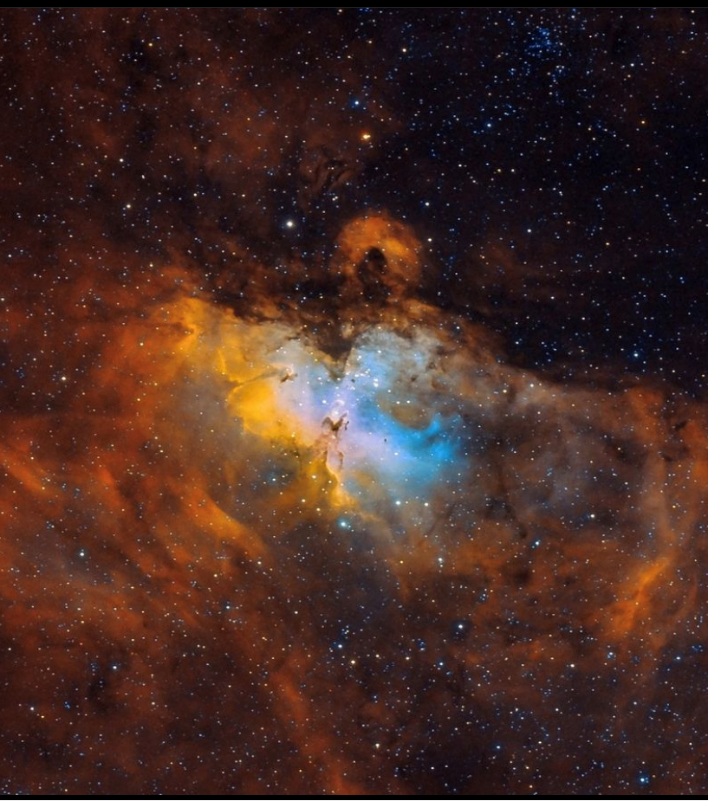
Figure 1 - Eagle Nebula, Stephen Tolley
Cygnus & the Sadr Region
The constellation Cygnus is making its appearance in the early mornings, rising in the northeast just before midnight to allow several hours of imaging this incredibly nebulous region each night. Between Sadr, the Crescent Nebula, the North America and Pelican Nebulae, and a list of other popular narrowband targets, the constellation Cygnus will be a welcome sight for shorter focal lengths and those in higher bortle scales. Similar to the Eagle Nebula, imaging Cygnus is most successfully done using Hydrogen, Sulfur, and Oxygen narrowband filters to capture the incredible amount of contrast and definition throughout this area of the sky.
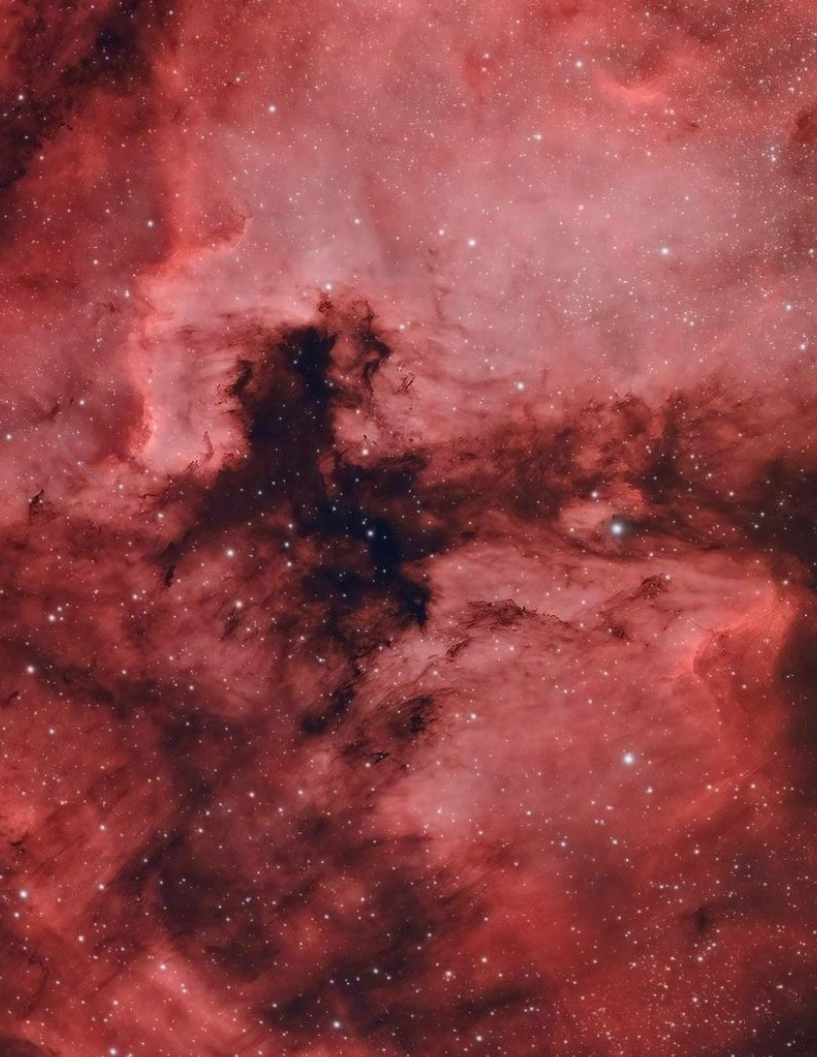
Figure 2 - Cygnus Region, Spilios Asimakopoulos
Sunflower Galaxy (Messier 63)
If April showers bring May flowers, the Sunflower Galaxy (M63) feels like the perfect galaxy to turn your telescopes to during the month of May. M63 sits about 27 million lightyears away in the constellation Canes Venatici, and at an apparent magnitude 9.3 is visible with the use of amateur telescopes with a modest focal length. Considered a flocculent spiral galaxy, its arms are not as easily distinguishable as those of a grand spiral galaxy, but larger aperture telescopes and long exposures will help to reveal much more detail in the otherwise well-blended and faded dusty spirals.
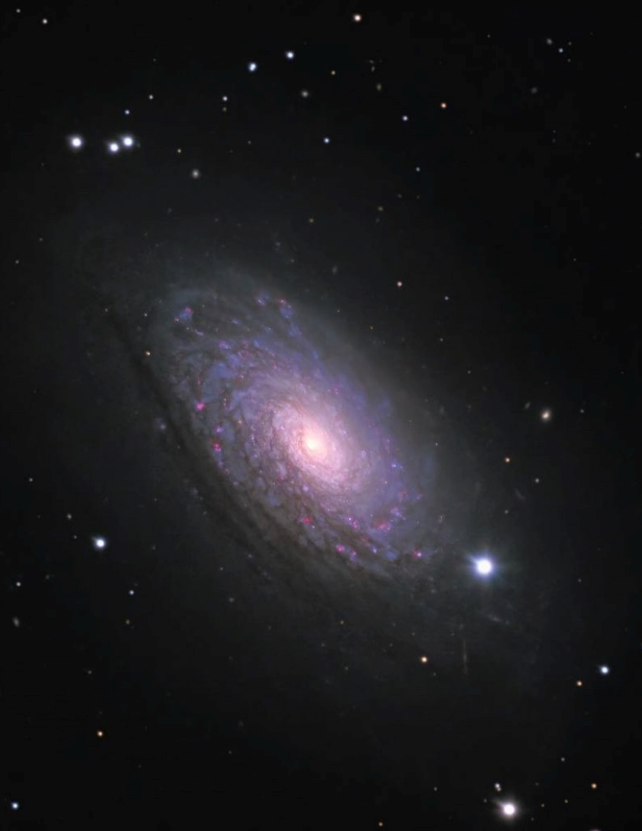
Figure 3 - Sunflower Galaxy, Dave Schlaudt
Messier 100
While a bit high in the sky by the time astronomical dark approaches, M100 is sitting nicely for those looking for a target suitable for any focal length. M100 is in the constellation Coma Berenice at an impressive 56 million lightyears away! At a relatively faint magnitude 10.1, binoculars and smaller telescopes will reveal the galaxy as simply a faint patch of light while larger telescopes can begin to reveal some of the actual structure. Imaging M100 with a small to medium focal length telescope will also reveal several neighbor galaxies within the Coma-Virgo Supercluster.
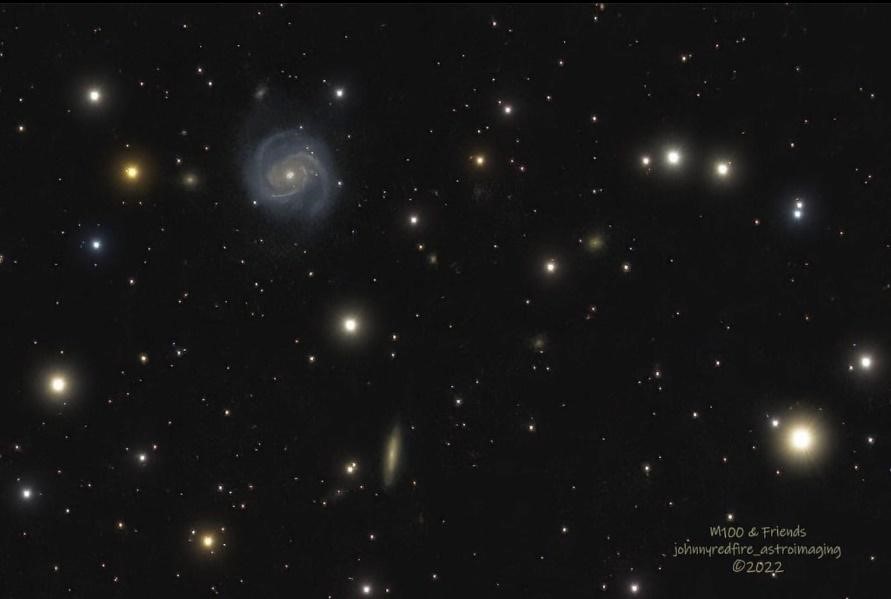
Figure 4 - Messier 100, Jonathan Nguyen
4. Our Astronomy Gear & Telescope Recommendations
The May skies can be appreciated with any level of equipment, but the most memorable experiences with the night sky typically come by using telescopes, eyepieces, and cameras to bring as much of the cosmos to your eye as possible. The gear recommendations below will meet the needs of anyone hoping to observe and image this month’s astronomical events and recommended targets.
Sky-Watcher Evolux 62mm ED Doublet Refractor
Sky-Watcher’s newest doublet refractor is available at 400mm focal length and makes for a perfect grab-and-go telescope for the May 15/16 total lunar eclipse, as well as for imaging the Cygnus region and Eagle Nebula recommended this month. A narrowband filter such as the STC Astro Duo-Narrowband Filter will help to isolate the hydrogen and oxygen wavelengths in these targets for optimum results.
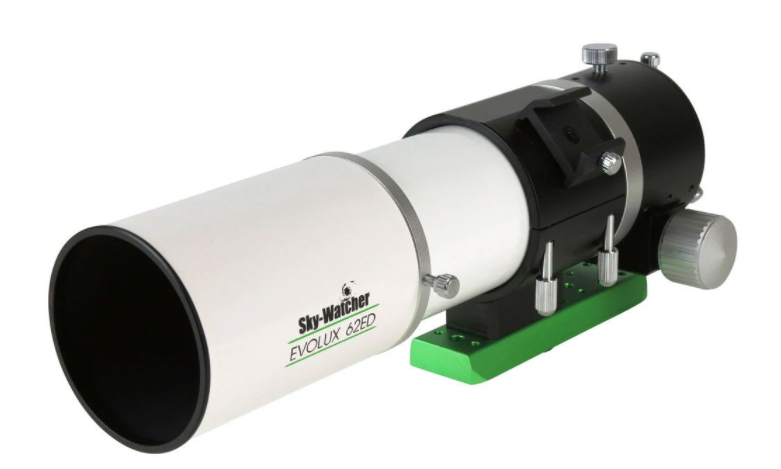
Figure 5 - Sky-Watcher Evolux Telescope
Sharpstar 140mm f/6.5 ED Triplet Refractor Telescope
To better resolve the details within the Sunflower Galaxy and Messier 100, and to get a better closeup on the Pillars of Creation within the Eagle Nebula, the Sharpstar 140mm ED triplet refractor offers a fast f/4.8 673mm focal length when paired with the Sharpstar 2.5" 0.74x Field Flattener/Focal Reducer for imaging, or a longer 910mm focal length at the native f/6.5 for observing.
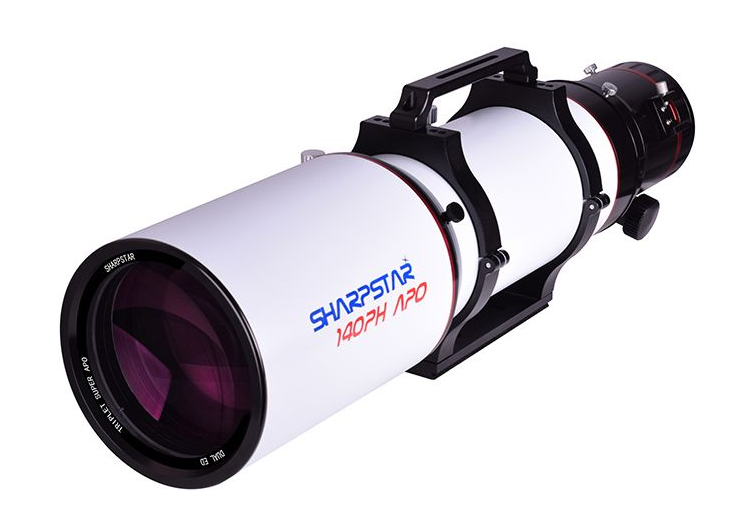
Figure 6 - Sharpstar 140PH Telescopes
GSO 6" f/6 Newtonian Reflector
The GSO 6” f/6 Newtonian offers a fast focal ratio that's ideal for observing wide-field views of deep sky objects, while the relatively short 900mm focal length at 14lbs keeps the tube compact and easy-to-handle. This scope offers an economical alternative for imagers and visual observers on a budget who want a larger aperture.
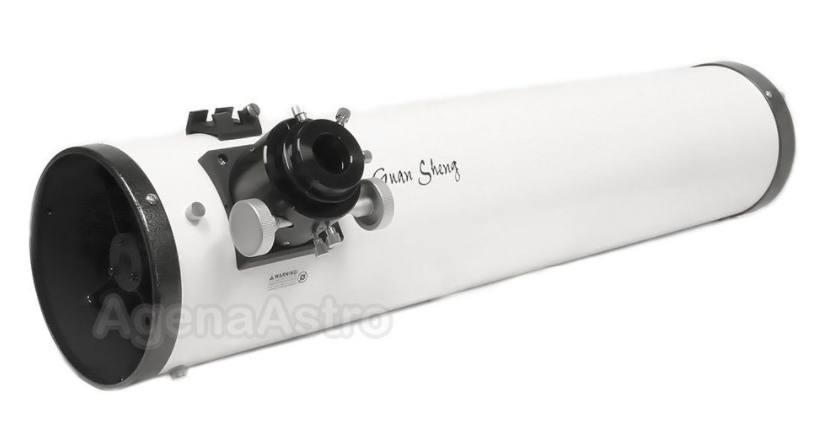
Figure 7 - GSO 6" f/6 Newtonian Reflector
For the May 15/16 total lunar eclipse, be sure to check out the gear recommendations listed in our 2022 Total Lunar Eclipse Guide.
*Follow us on Facebook and Instagram to stay up to date on the latest gear, sales, and news from Agena!*