



2022 Total Lunar Eclipse: Round 1
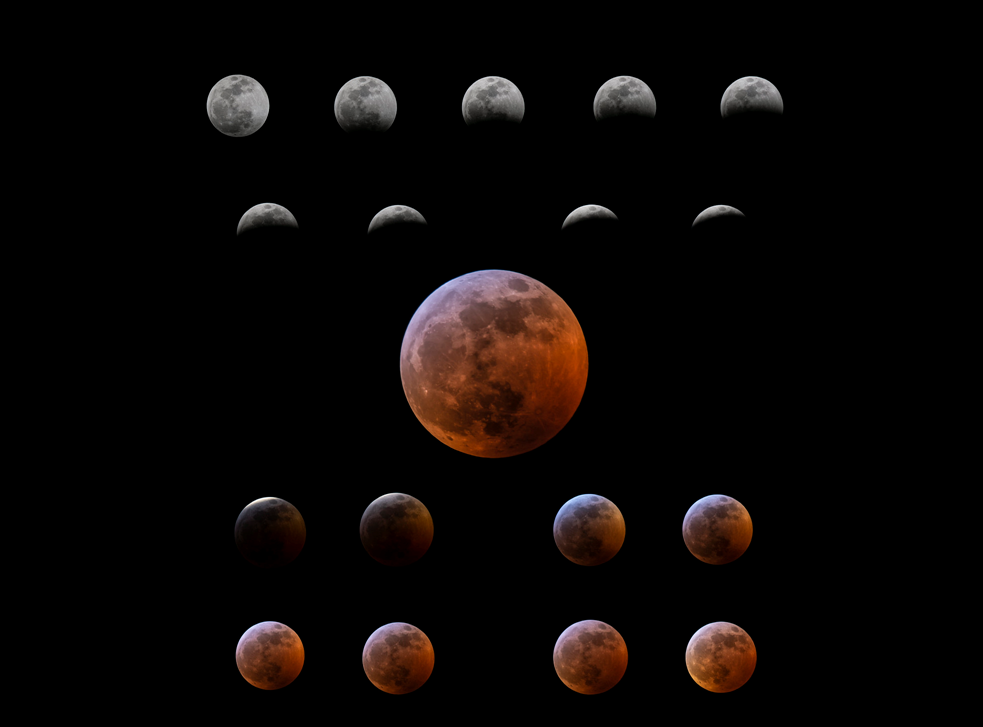
Figure 1 - Lunar Eclipse Phases, Stephen Rahn
It's time to start preparing for one of 2022's most looked forward to events of the year, the May 15/16 total lunar eclipse! While the May eclipse has the astronomy community patiently waiting, we'll also be fortunate enough to experience another total lunar eclipse later this year in November. With all the excitement, many people unfamiliar with astronomy may be wondering what exactly a lunar eclipse is? Let’s break down the lunar eclipse phenomenon and briefly discuss the best times, locations, and tools to view this special event.
On rare occasions, during the Moon’s orbit around Earth, it finds itself in the perfect position to fall into Earth’s shadow. While some of you may be familiar with a solar eclipse, where the Moon passes between the Sun and the Earth, a lunar eclipse occurs when the Moon sits on the opposite side of Earth from the Sun, casting a dark shadow onto the lunar surface. Depending on the positions of these objects in their orbit, the shadow during an eclipse can be quite small or, in this case, darken the entirety of the visible Moon.
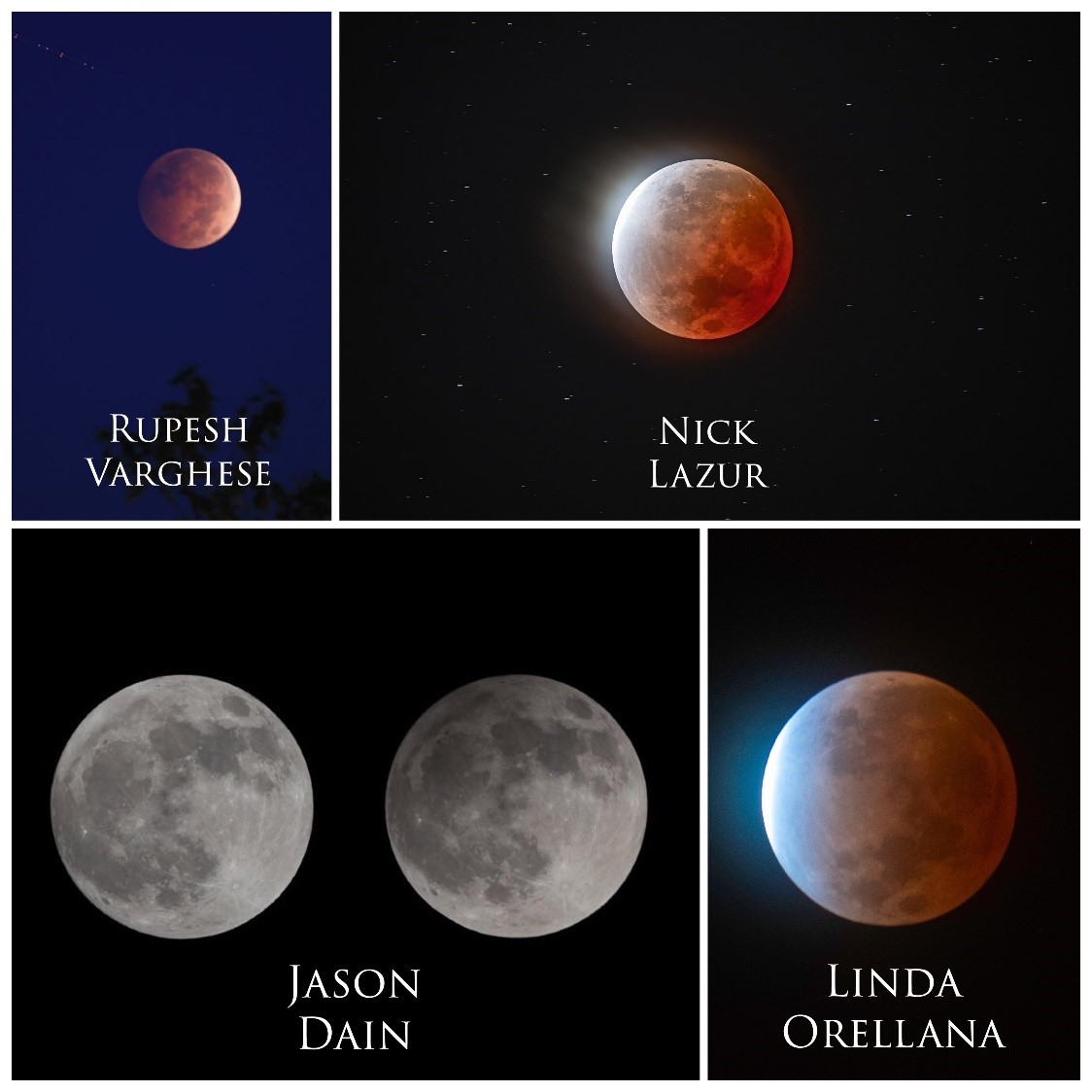
Figure 2 - Lunar Eclipse, Various Photographers
Beginning at 01:32 UTC on May 16, the Moon will begin to progress through the penumbral, partial, full, and maximum phases (see figures 1 and 3). In total, the eclipse will last over 5 hours from start to finish, providing a large time window for observing. The duration of totality, when the full lunar surface is darkened, is almost 85 minutes long and peaks at 04:12 UTC on May 16. To convert UTC time to your local time, check out this helpful time zone converter – this will be critically important since the eclipse occurs through the midnight hour into a new calendar day for many observers. A large portion of the globe spanning from the Americas to Western Europe will be gifted with some level of eclipse during this time, but this Eclipse Path Map can provide a better idea of what to expect from your location.
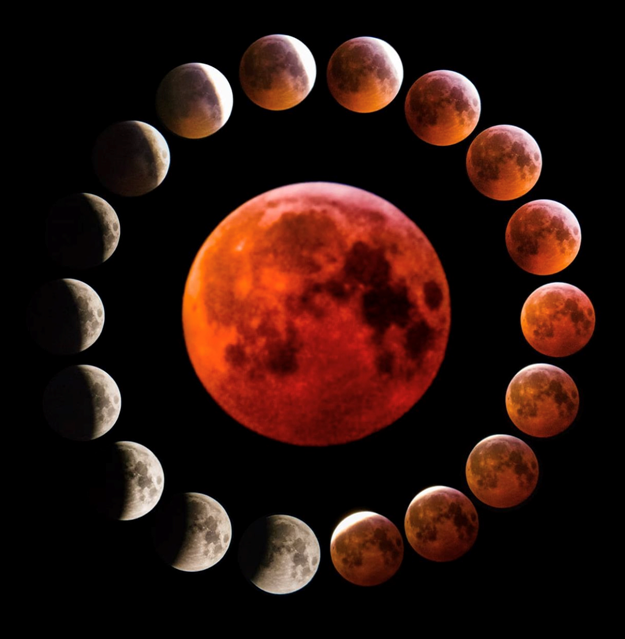
Figure 3 - Lunar Eclipse Phases, Darshna Ladva
Since the Moon is our biggest and brightest astronomical neighbor, this is an event that can be enjoyed by anyone at no cost, using nothing more than your unaided eyes. If you are in the geographically appropriate regions, have decent weather, and a few minutes of free time, we encourage everyone to step outside and participate! While no equipment is necessary, the use of binoculars or telescopes can provide a completely different experience. Binoculars will give you a simple but effective magnification to get a closer look at the Moon, and a telescope on a tracking mount will allow you to keep the Moon centered in an eyepiece to witness the full progression of the eclipse from start to finish. The gear recommendations below offer a range of opportunities to either observe or image this event and will take your experience to the next level.
|
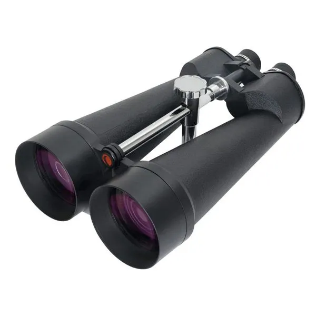
Celestron SkyMaster 25x100 Binoculars Binoculars are the most portable option for any astronomical viewing. The Celestron SkyMaster 25x100 binoculars offer premium optics in a large 100mm aperture for sharp views. Check out the full lineup of binoculars for a range of shapes and sizes! |
 |
|
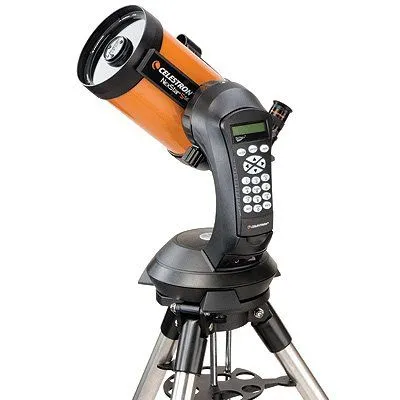
Celestron NexStar 5SE (w/ included 25mm eyepiece) The Celestron NexStar 5SE is the perfect tool for those hoping to observe the full progression of the lunar eclipse. The NexStar SE go-to computerized alt-azimuth mount will point the telescope to the Moon and track it across the sky, allowing you to come and go from the eyepiece as you wish. Using a simple tool such as the Celestron NexYZ cellphone adapter will allow you to even capture images of the eclipse with your phone (check out the image in figure 3 for a good example). |
 |
|
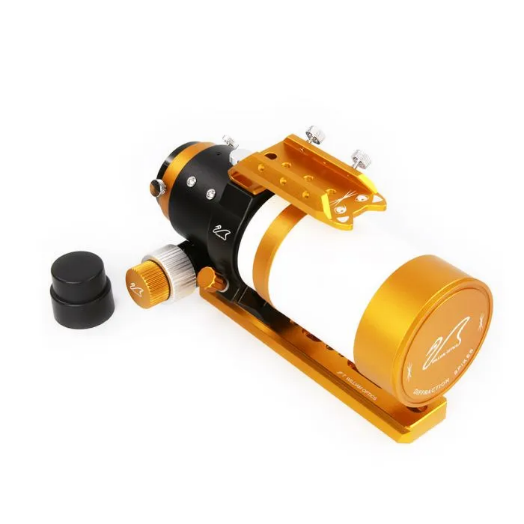
William Optics ZenithStar 61mm APO Telescope The William Optics Z61 is a lightweight, high quality doublet refractor, offering a wide field of view to capture the entirety of the lunar eclipse for those wanting to capture detailed images of this event. While higher focal lengths will bring you much closer to the lunar surface, shorter focal lengths such as this will show the distinct phases of the eclipse as the shadow waxes and wanes. |
 |
|
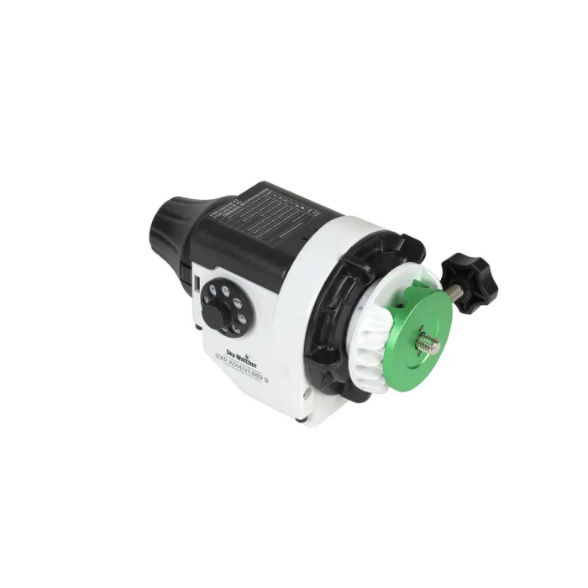
To keep your imaging telescope on target, a proper equatorial mount is ideal. The Sky-Watcher Star Adventurer lineup is extremely portable and plenty capable to support the lightweight Z61 discussed earlier, or other small refractors or lenses. Simply frame the Moon how you'd like and let the Star Adventurer handle the rest! |
 |
*Follow us on Facebook and Instagram to stay up to date on the latest gear, sales, and news from Agena!*