



Top Night Sky & Astronomy Events in April 2022
1. Introduction
They say April showers bring May flowers, so we'll be keeping our fingers crossed for clear skies this month! April brings plenty of wonderful sights to our night skies, including planetary conjunctions, meteor showers, and multiple New Moons. To help prioritize your astronomical observing and imaging sessions, we’ve put together an overview of this month’s highlights to get you out under clear skies and looking up at the cosmos. Gear recommendations and highlights from the astronomy community are included to give you a good idea of the tools needed (or not needed) to enjoy the night sky.
2. Solar System Observing & Imaging
Moon Phases
April will see two New Moons – one at the beginning and one at the end of the month, with the second being known as the “Black Moon”
- New Moon: April 1 & April 30
- 1st Quarter: April 9
- Full moon: April 16
- Last Quarter: April 23
Solar System Events
- April 5: Moon/Pleiades conjunction
- April 5: Mars/Saturn conjunction
- April 10: Moon occulting Beehive Cluster
- April 20: Jupiter/Saturn/Mars/Venus form near perfect line in pre-dawn sky
- April 21-22: Lyrid meteor shower - peaks on the night of April 21, into the early hours of April 22. Expect 15
- to 20 meteors per hour!
- April 29: Mercury/Pleiades conjunction
- April 30: New (“Black”) Moon
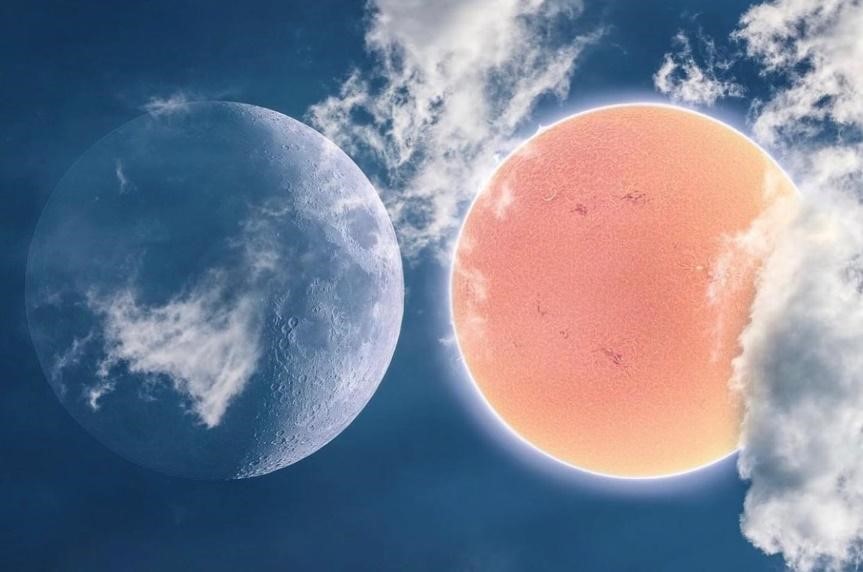
Figure 1 - Lunar/Solar Composite- Chris Large & Peter Deller
3. Deep Sky Astronomy Objects (Nebula, Galaxies, Clusters)
While the April skies may lack the plethora of large emission nebulae enjoyed during the winter months, there is no shortage of galaxies, star clusters, and even some fainter planetary nebulae ripe for the picking. Let’s look at some of the targets you can expect to see for most of the evenings in April, and equipment recommendations to capture these objects and similar objects in the upcoming months:
Messier 3 Globular Cluster
Home to more than half a million stars, M3 offers an opportunity for observers and astrophotographers to witness perhaps the most popular star cluster behind only the great M13. Look for M3 in the constellation Canes Venatici in the North-East just after sunset. Wide-field telescopes may capture M3 along with dozens of nearby faint galaxies, while larger focal lengths will help to resolve the faintest of stars in the group. M3 is highly recommended for eyepiece or binocular observation!
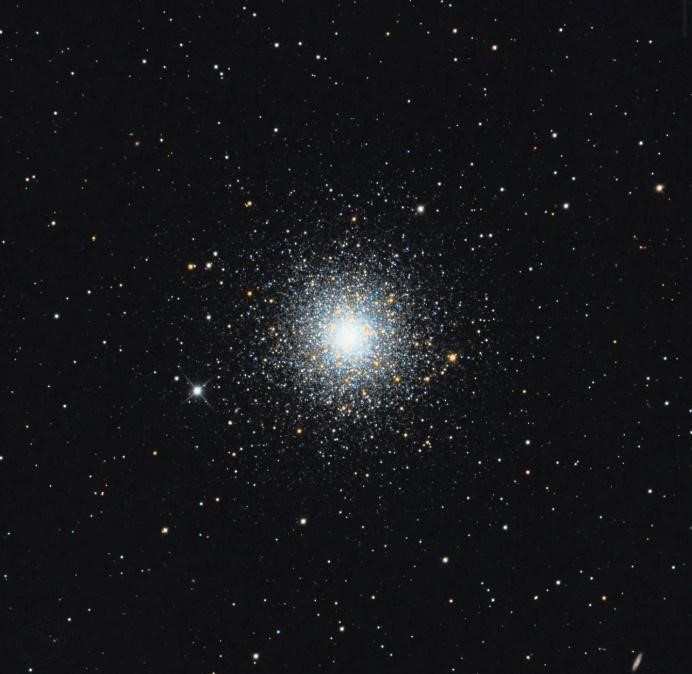
Figure 2 - M3 - Robin Oefele
Sombrero Galaxy (Messier 104)
M104 is widely popular for its edge-on view as seen from our perspective on Earth, giving the appearance of a giant disc floating through the cosmos. Located in the constellation Virgo at an apparent magnitude of 8, M104 can be spotted through even a modest telescope in dark skies. Monochrome imaging will help to capture the light from this distant galaxy while minimizing the impact of light pollution.
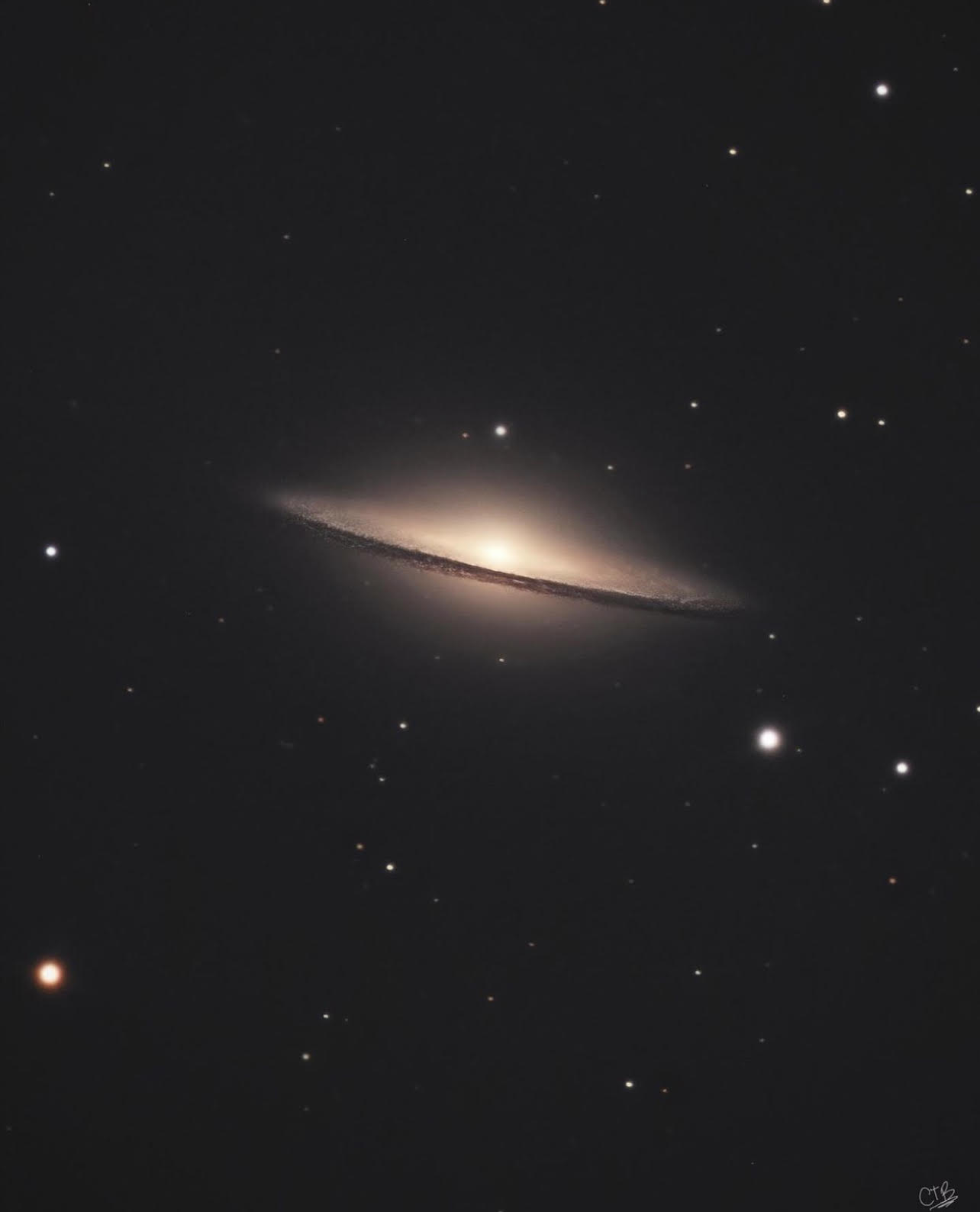
Figure 3 - Sombrero Galaxy - Clark Bacaltos
Needle Galaxy
The Needle Galaxy is an edge-on spiral galaxy located about 40 million light-years away in the constellation Coma Berenices. Thanks to its perpendicular orientation from our point of view, we are able to see the bands of galactic dust and gas surrounding the incredibly luminous galactic core. Under dark skies with a large aperture telescope, you may be able to distinguish the dust lanes and bulging core through an eyepiece, though long exposure imaging will best highlight the fainter details.
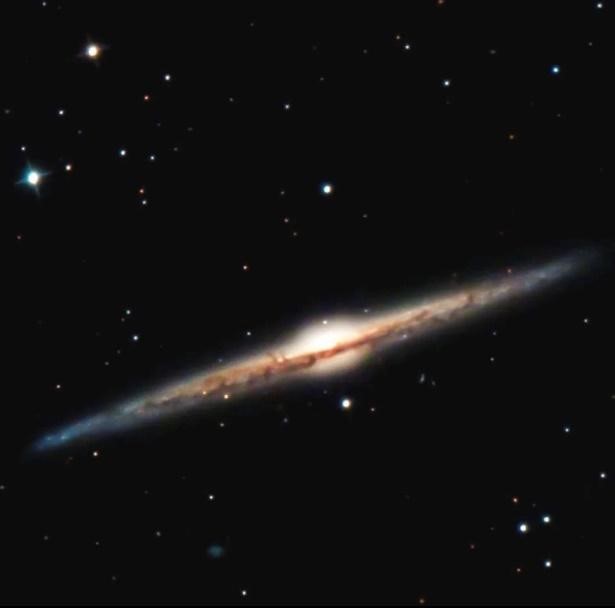
Figure 4 - Needle Galaxy - Paolo Gialanella
Owl Nebula
The Owl Nebula is a planetary nebula located in the constellation Ursa Major and is one of few nebulae available for imaging this time of year. Due to its small size, significant focal length will be required to resolve much detail, though narrowband imaging will allow you to maximize your time on this target throughout the entire month, regardless of moon phases.
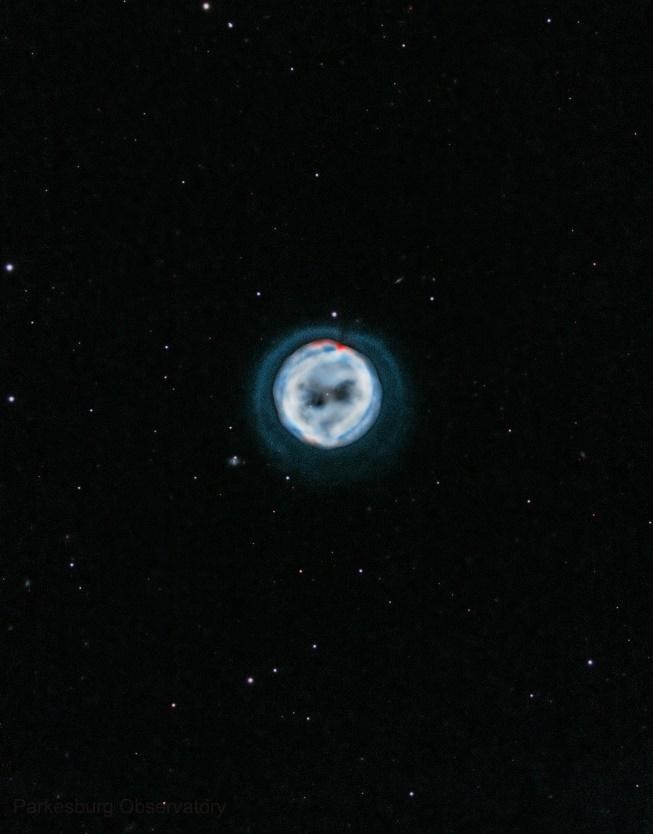
Figure 5 - Owl Nebula - Steve Gill
4. Gear Recommendations
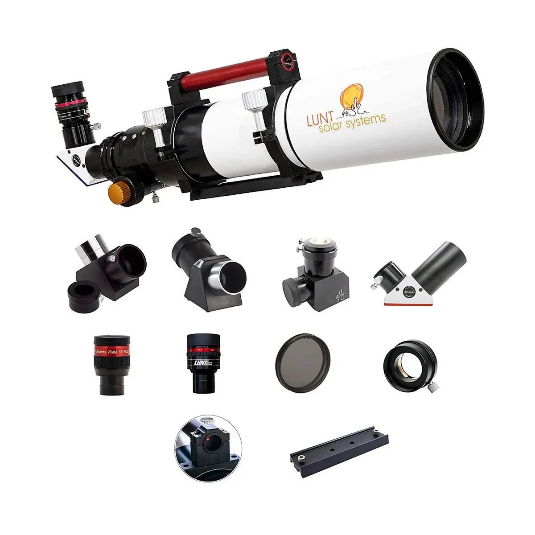
Figure 6 - Lunt Solar LS100MT
Solar
Lunt Solar 100mm f/7 Universal Day & Night Modular Telescope Package – This package from Lunt Solar gives you the best of both worlds thanks to its modular design, allowing you to configure this setup for solar or nighttime astronomical observing or imaging! During the day, enjoy solar observations in hydrogen-alpha, calcium-K, or white-light, and at night take advantage of the f/7 triplet optics to capture far off cosmic wonders!
Widefield Telescope
Widefield imaging during April is perfect for capturing large groups of galaxies and star clusters. The Askar 4.2" 107mm f/7 Quadruplet Flat-Field Astrograph Telescope provides incredibly sharp high contrast images, allowing you to highlight the natural color of targets such as M3 discussed earlier. With a triplet objective and additional field-flattening corrective element, you can expect a flat field of view to all corners without the need for additional field flatteners.
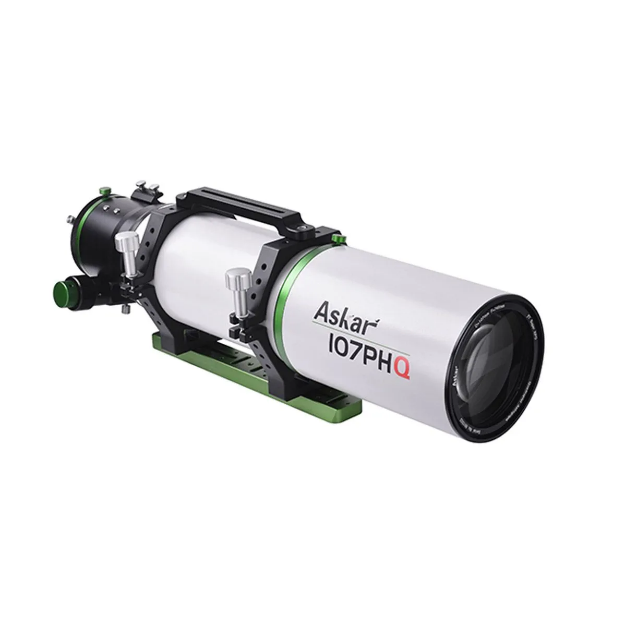
Figure 7 - Askar 107PHQ
Deep Sky Telescope
To capture fainter and smaller targets such as the Sombrero Galaxy and Owl Nebula, we will need much greater focal length. For those looking to simply observe these objects through an eyepiece, the Celestron CPC 9.25" XLT Schmidt-Cassegrain Telescope gives both the focal length and tracking capabilities needed for a successful observing session thanks to its fully computerized dual fork arm altazimuth mount. If capturing images is your goal, the GSO 10" f/5 Newtonian Reflector Telescope offers an excellently priced 1250mm in focal length which will allow for excellent framing of many galaxies over the coming months.
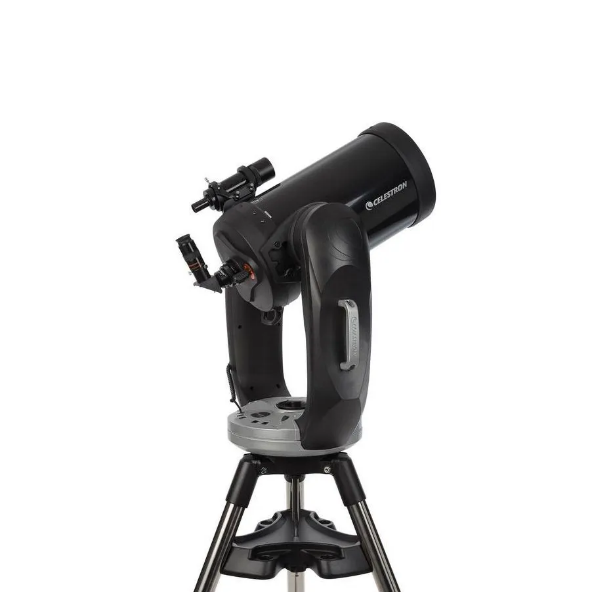
Figure 8 - Celestron CPC 9.25" XLT
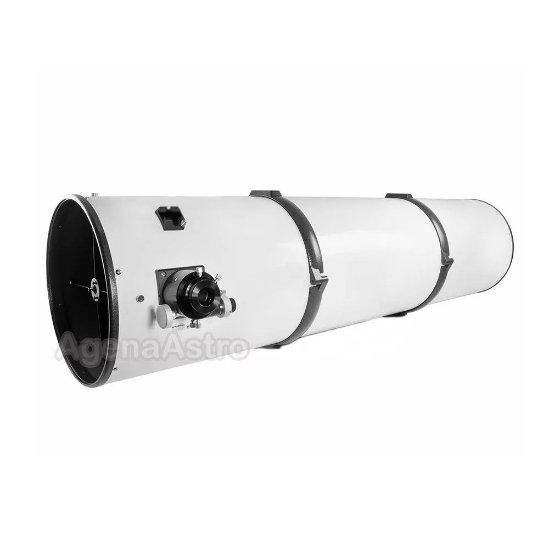
Figure 9 - GSO 10" f/5 Newtonian Reflector
Any of these options will require a suitable equatorial mount for astrophotography, such as the Celestron CGEM II Equatorial Mount or even the iOptron CEM40EC Center-Balance Equatorial Mount for those planning to attach a heavy monochrome imaging train with filter wheels, rotators, etc.
Cameras & Filters
Imaging galaxies leaves you susceptible to the limitations of the light pollution surrounding you, so monochrome imaging is highly recommended if looking to capture the cleanest data possible within city limits. The ZWO ASI294MM Pro Monochrome Astronomy Camera Kit sets you up with a highly respected monochrome camera and matching ZWO LRGB and hydrogen-alpha, sulfur, and oxygen filters with an electronic filter wheel to house them in, all to prepare you for year-round astrophotography!
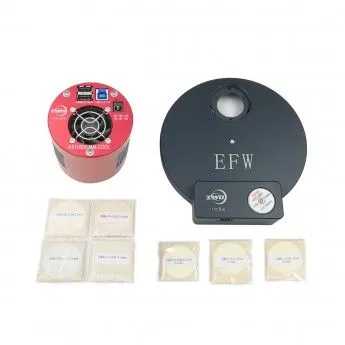
Figure 10 - ZWO ASI294MM Astronomy Camera Kit
Eyepieces
The renowned Pentax XW Series Eyepieces are on sale during the month of April! These eyepieces are perfect for anyone looking to take their observing sessions up a notch thanks to their high-quality optics. The legendary oculars are prized among serious observers for sharp, high-contrast views for all types of observing, offering generous eye relief and 70-degree apparent field of view. Available in focal lengths from 3.5mm to 20mm, these premium SMC-coated eyepieces work well with all telescopes, even those with a focal ratio as fast as f/4! For those upgrading from their first eyepieces, remember that the larger the focal length the wider your field of view – many astronomers find an eyepiece in the 20mm eyepiece range to be a “sweet spot” between magnification and field of view.
*Follow us on Facebook and Instagram to stay up to date on the latest gear, sales, and news from Agena!*